
April 6, 2026
by Ian Rosales
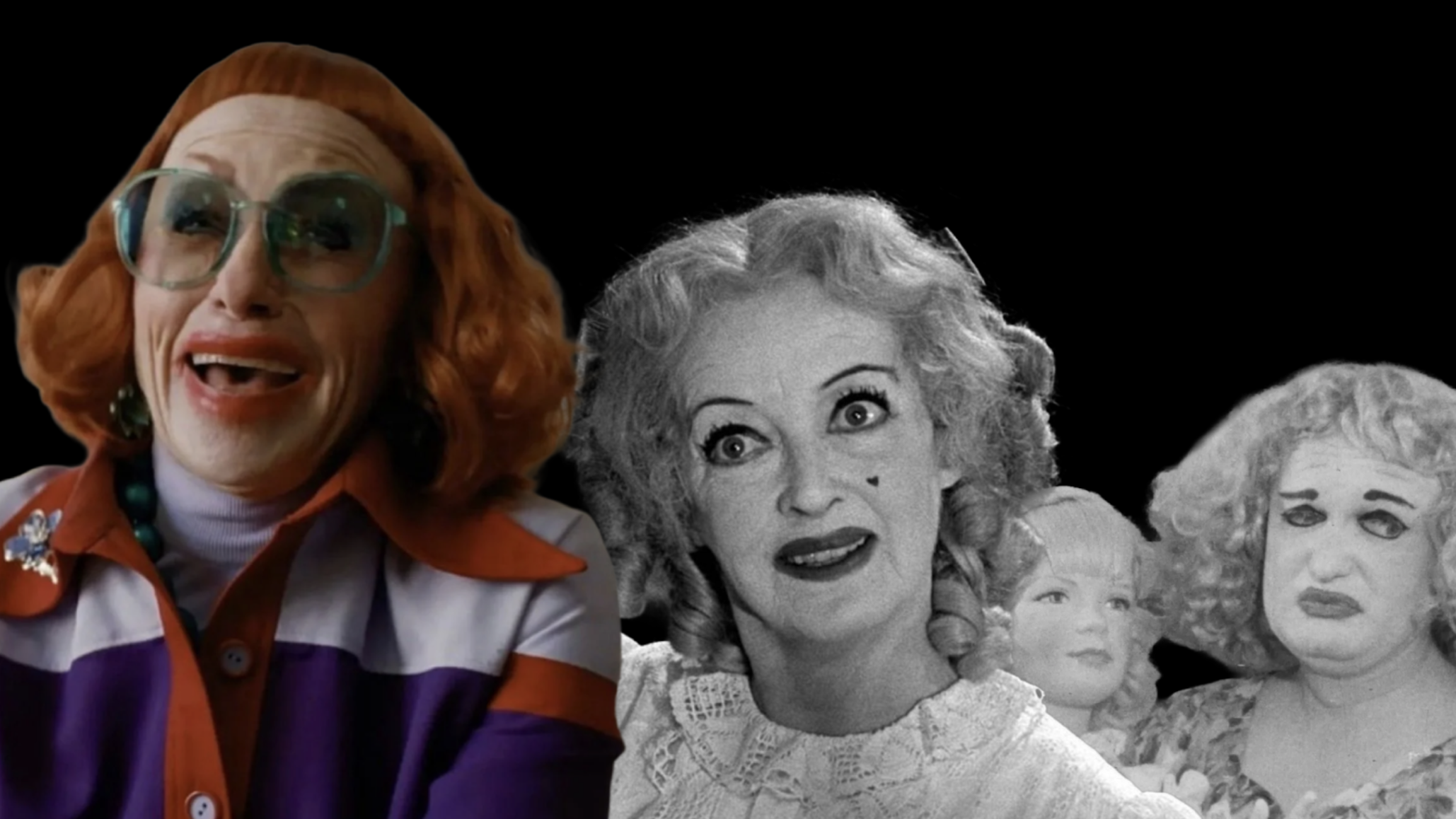
This past month, Amy Madigan made history at the 98th Academy Awards, taking home the award for Best Supporting Actress for her performance in Zach Cregger’s horror blockbuster Weapons. Madigan’s win came as a shock, becoming one of six actors to receive an Academy Award for a performance in a horror film. With the success of films like Weapons, Frankenstein, The Ugly Stepsister, and Sinners at this year’s Academy Awards, it’s becoming clear that the horror genre is becoming more respected during the awards season. However, Madigan’s win this year, and Demi Moore’s Best Actress nomination for Coralie Fargeat’s gross-out body-horror film The Substance the previous year, suggest that something else is becoming popular in Hollywood: the hagsploitation film.
Hagsploitation – also known as hag horror, Grande Dame Guignol, or the psycho-biddy film – is a subgenre of horror that became popular during the 1960s and 1970s, which revolves around an older woman undergoing psychological distress or violence, pushing them to the brink of insanity. These films commonly featured well-known actresses such as Joan Crawford, Bette Davis, Shelley Winters, or Olivia de Havilland in leading roles, who reached their heights during the Golden Age of Hollywood but have since been forgotten. 1962’s Whatever Happened to Baby Jane? would kickstart the subgenre, featuring iconic high-camp performances from Bette Davis and Joan Crawford as two toxic sisters, Baby Jane and Blanche, establishing the blend of grotesque melodrama and camp sensibilities as a key component of hagsploitation.
Hagsploitation taps into the sensationalism of Hollywood glamour gone berserk, alluring audiences with macabre psychological dramas and over-the-top performances from old Hollywood stars. Although Whatever Happened to Baby Jane? would find mainstream success, garnering numerous accolades, it, alongside other hagsploitation films, would find an audience in queer spaces and be minted a ‘camp classic.’ Hagsploitation has had a long, rich history with the queer community, particularly in the drag world. Drag performances of classic hagsploitation films such as Whatever Happened to Baby Jane? or Mommie Dearest, and more recent films like Weapons or The Substance, have proven that queer audiences are thirsting for more monstrous mothers.
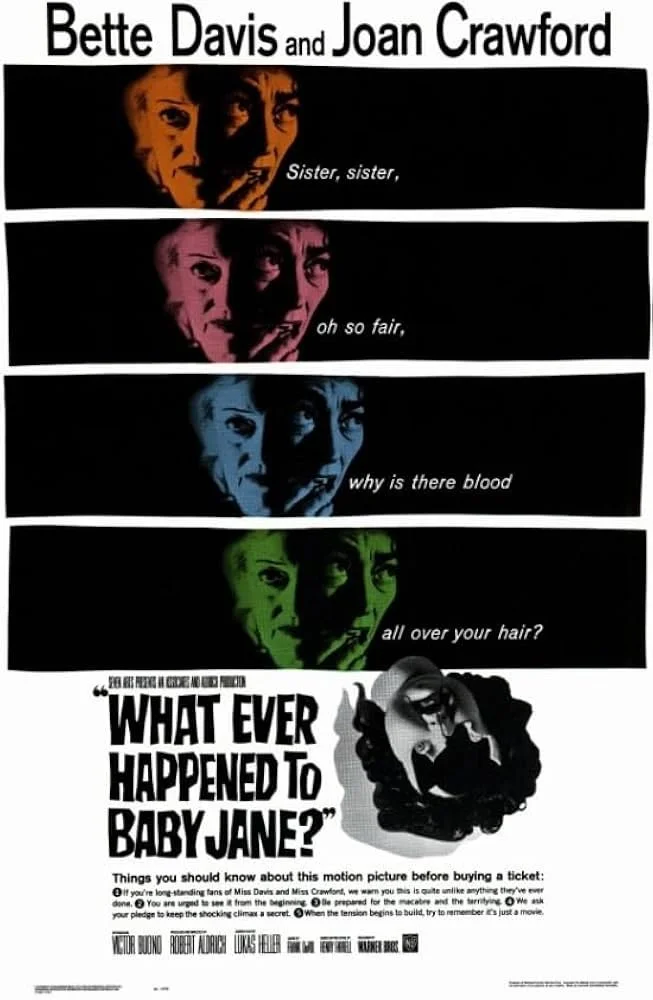
Hagsploitation has a fascinating relationship with queer cinephilia, inspiring countless drag performances, movies, and even a prestigious FX television show produced by Ryan Murphy, but a rediscovery by the American Genre Film Archive offers a glimpse into how deeply hagsploitation has been cemented into queer history. The LA-based underground film group, the Gay Girls Riding Club, produced a series of films throughout the 1960s into the 70s that turned queer classics such as All About Eve, The Roman Springs of Mrs. Stone, and Whatever Happened to Baby Jane? into hilariously campy drag parodies. The club’s films provide insight into pre-Stonewall queer cinema.
Beginning in the late 1950s, the Gay Girls Riding Club (GGRC) was a social club of gay men who met every Sunday to go horseback riding, take day trips, or participate in drag performances. In the early 1960s, the group began filming drag spoofs during their meetings, starting with Always on Sunday, a parody of Never on Sunday. The group would go on to create a series of shorts, including What Really Happened to Baby Jane, The Roman Springs on Mrs. Stone, and Spy on the Fly, until their first feature, All About Alice, in 1972. Originally produced as entertainment for parties, drag shows, or bar events, these films would eventually find wider distribution in the underground film and midnight movie circuit.
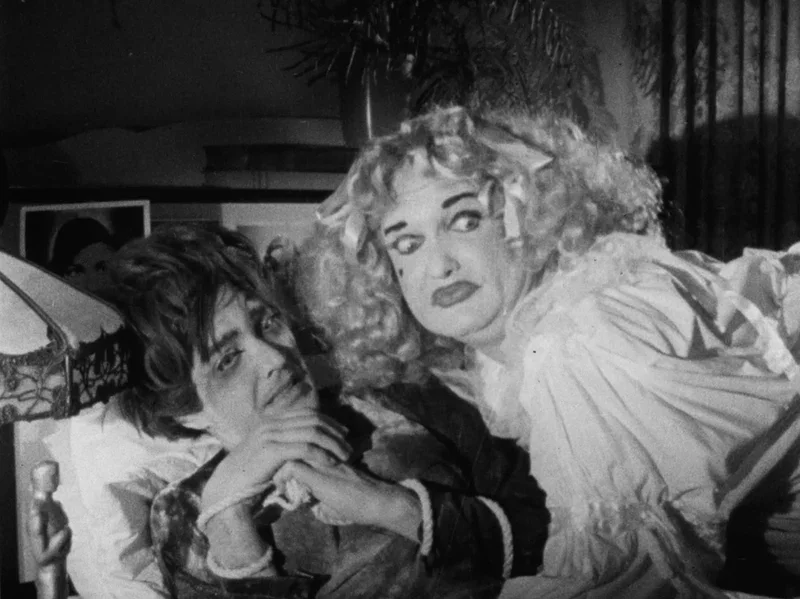
The Gay Girls Riding Club’s foray into hagsploitation with What Really Happened to Baby Jane proved to be the group’s campiest and most hysterical cinematic endeavor. The film was also surprisingly well-polished compared to other low-budget underground films, using real set pieces and props from Whatever Happened to Baby Jane? and tapping James Crabe, the cinematographer for Rocky and The Karate Kid, as the director. Featuring fantastic performances from drag queens Freida and Roz Berri as Baby Jane and Blanche, What Really Happened to Baby Jane took a queer spin on the original film, upping the campiness and comedy.
Hagsploitation offers queer audiences the ability to watch their favorite on-screen divas take on the wildest, most melodramatic roles, twisting the glamour and elegance of acting legends into something beautifully psychotic. The films of the Gay Girls Riding Club remind us of how important figures like Bette Davis, Joan Crawford, and other iconic actresses are in queer culture. In the pre-Stonewall age, queer audiences found representation in the subversive characters of hagsploitation films. Though the subgenre would start to die out in the 1980s, the echoes of hagsploitation would forever be cemented into queer art and culture. The return of hagsploitation with recent films such as Weapons, The Substance, and even The Housemaid, has brought this forgotten subgenre back into the mainstream, introducing the psycho-biddy to contemporary queer audiences.